

Summary
Mobile crypto games mostly split into tap-to-earn, move-to-earn, play-to-earn, and idle type of games. Projects provide more and more simple daily actions (tapping, short tasks, step counters, Telegram mini-apps). Now you may find less heavy GameFi setups with high entry costs, this strategy has not yet proven itself.
Quick map:
- Tap-to-earn: not more than 10 minutes a day, low rewards, big risk, possible spam and scams. Projects that haven't been worked out are just a waste of time. Examples: Notcoin, Hamster Kombat, TapSwap.
- Move-to-earn: real movement for coin medium reward, risks are token price swings, anti-cheat and privacy. Examples: StepN, Sweatcoin.
- Play-to-earn: longer sessions (hours), rewards - higher and unstable, economies can break rapidly. Examples: Axie Infinity, Mobox.
- Idle crypto games: low-medium rewards with min. interaction, usually repetitive.
Play to earn hype had its big moment a couple of years ago. Axie Infinity and other games pushed showed that games could pay players real money. Many experts and game fans thought for a while that these games are the next big chapter for mobile gaming. But not everything is as rosy as it seemed. High entry prices, complex mechanics, and not stable token models made players step back.
Now we see a new wave. Projects are shifting to simple actions that anyone can try: short taps, idle mechanics, step counters, Telegram mini apps. You just open the app, make a few moves, and you’re done.
FINPR team will compare how tap to earn, move to earn, and classic play to earn model work in 2026. Let’s understand where these formats fit and why so many users prefer them right now.
What Are Tap-to-Earn Games?
Blockchain tech integration in tap to earn games is a considerable trend in the GameFi. This is a kind of mechanic in crypto games where we tap or complete various tasks and use this to farm certain tokens. Sometimes you just need to tap and complete some tasks, sometimes you need to do something in terms of gaming, and sometimes you need to subscribe.
If before there was something like StepN, where we bought sneakers and took too much risk, then in general there are no risks here. That is, in essence, you complete certain tasks, and then you receive cryptocurrency when the project is released.
Key features
- The first is simplicity. The tasks here are essentially easy, and you don't need to have any special skills or knowledge to earn money from them.
- The second is gamification. Game mechanics have been added, through which we interact, and this increases our interest as users.
- Next is accessibility. Anyone who has Telegram and a regular phone or smartphone, as well as a tablet, can participate in all of this and, of course, earn money.
- And then there are crypto rewards. Anyone who completes certain tasks and interacts with the app can receive some cryptocurrency and then withdraw it to their wallet.
Examples of Tap-to-Earn Games in 2026
As for project examples. the first one is Notcoin, which was the very first to appear.
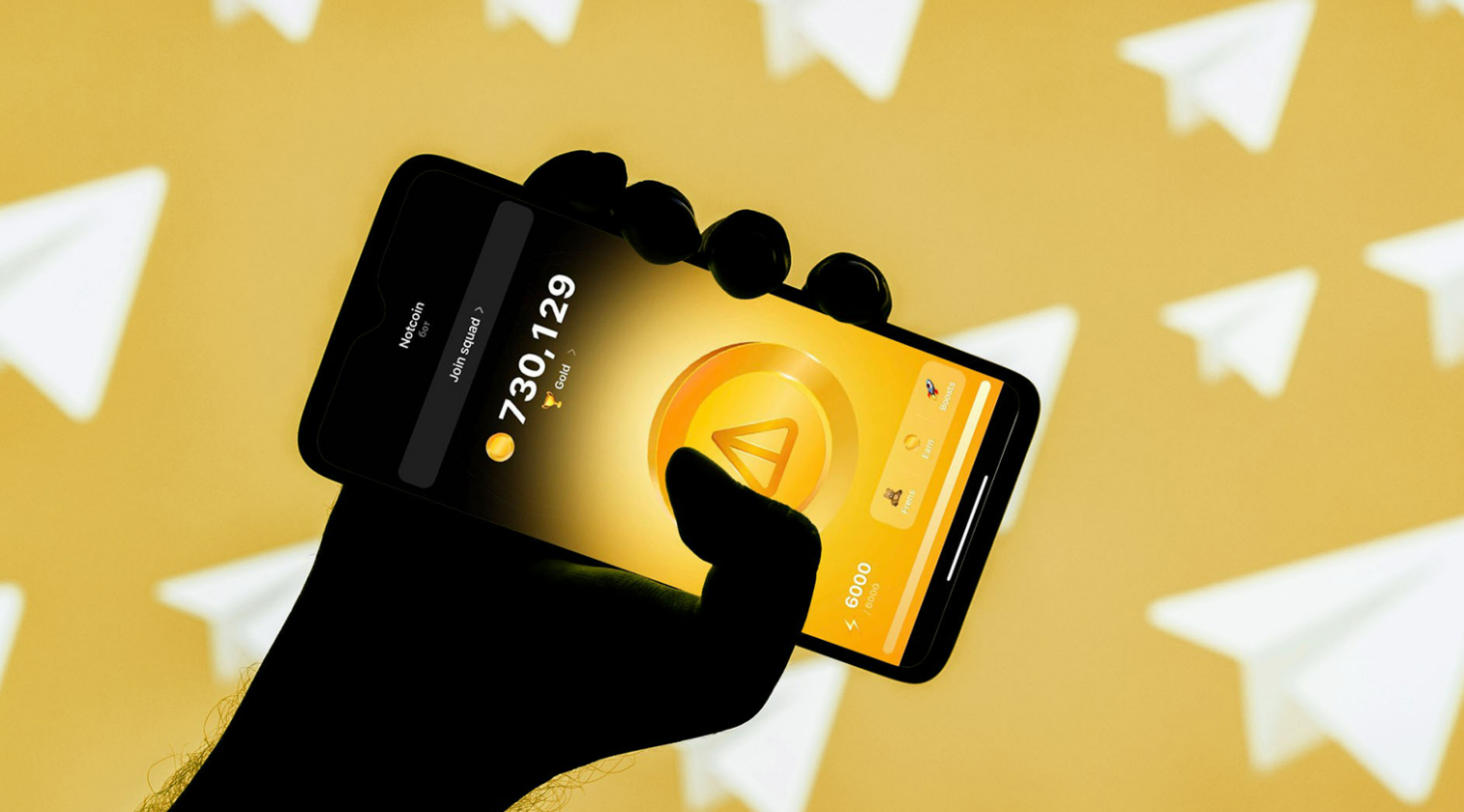
Notcoin leads the Tap to Earn games world. The airdrop was estimated around $1 billion in NOT tokens. It is integrated in Telegram and allows players to earn crypto through simple, repetitive taps. Notcoin’s appeal lies in its accessibility and the financial incentives it offers. It is a strong contender in the Tap-to-Earn.
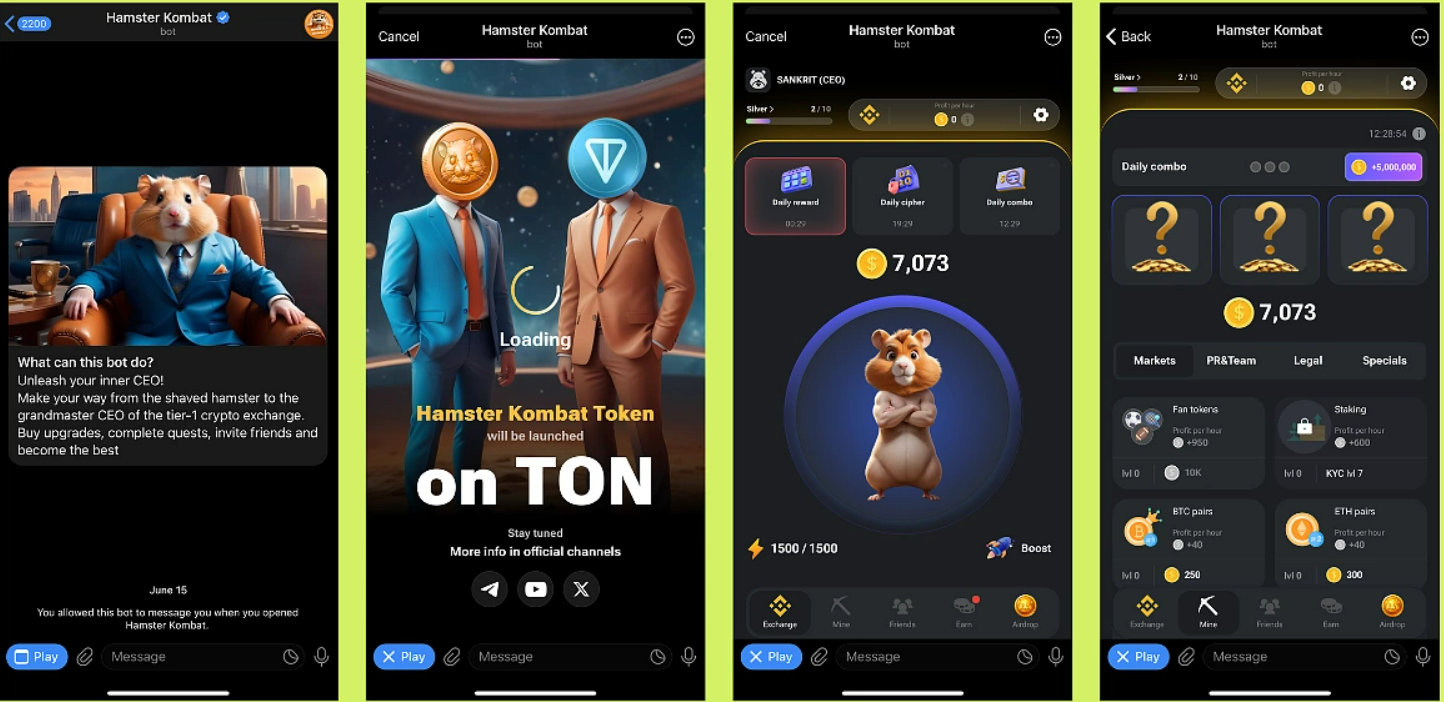
Hamster Kombat is a popular Tap-to-Earn game where players take on the role of CEOs of virtual crypto exchanges.
Hamster Kombat is a popular Tap-to-Earn game where players take on the role of CEOs of virtual crypto exchanges.
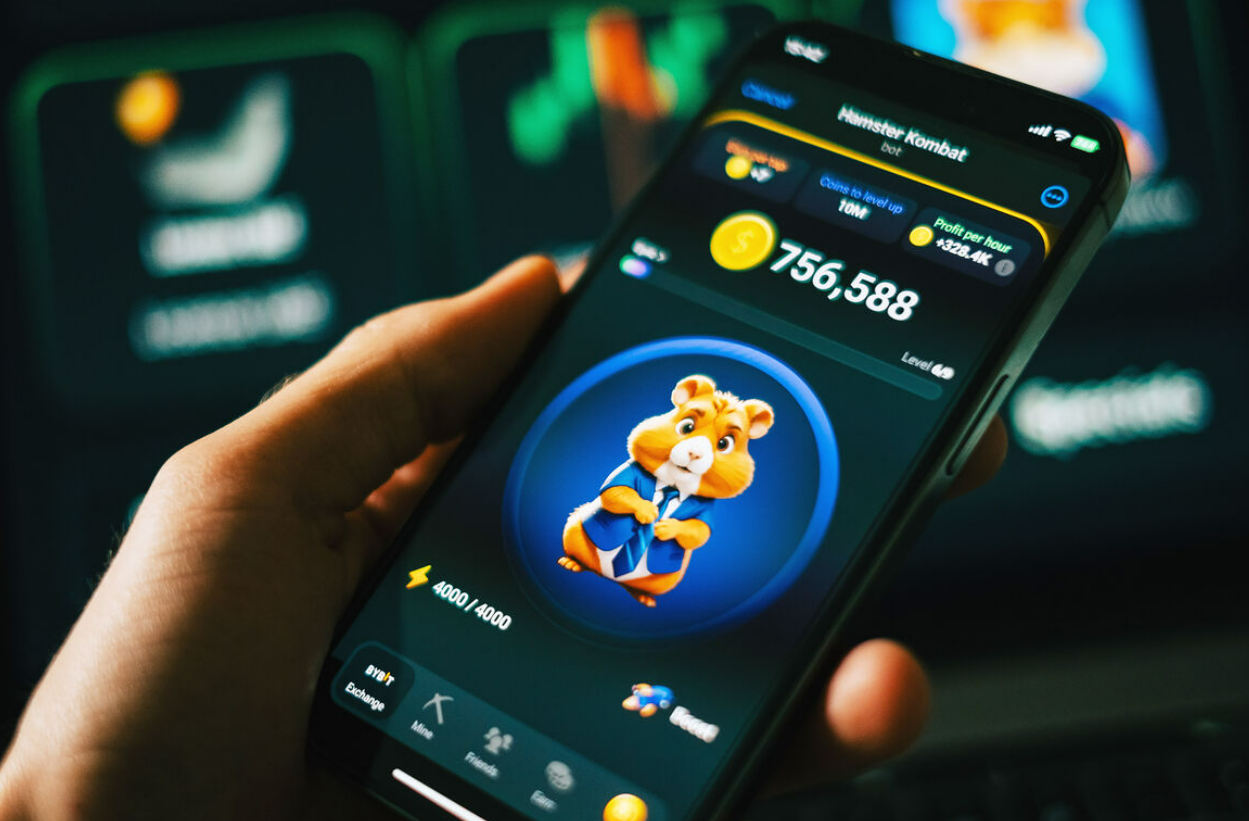
And in fact, it became more popular than Notcoin. And if in Notcoin everyone could easily earn $150–200 — those who tried and did at least some activity for several months — then with Hamster Combat, the situation is much more complicated.
Mechanics involves tapping on digital hamsters to earn in-game money (Hamster coins). They can upgrade the exchange, allow participation in battles and completing daily tasks. The game also integrates NFTs to trade/sell hamster characters in a marketplace. Hamster Kombat stands out due to its social and competitive features (multiplayer modes and a referral system).
TapSwap is a game that has garnere attention, with 55M+ users and 18M daily active players.
Mechanics involves tapping on digital hamsters to earn in-game money (Hamster coins). They can upgrade the exchange, allow participation in battles and completing daily tasks. The game also integrates NFTs to trade/sell hamster characters in a marketplace. Hamster Kombat stands out due to its social and competitive features (multiplayer modes and a referral system).
TapSwap is a game that has garnere attention, with 55M+ users and 18M daily active players.
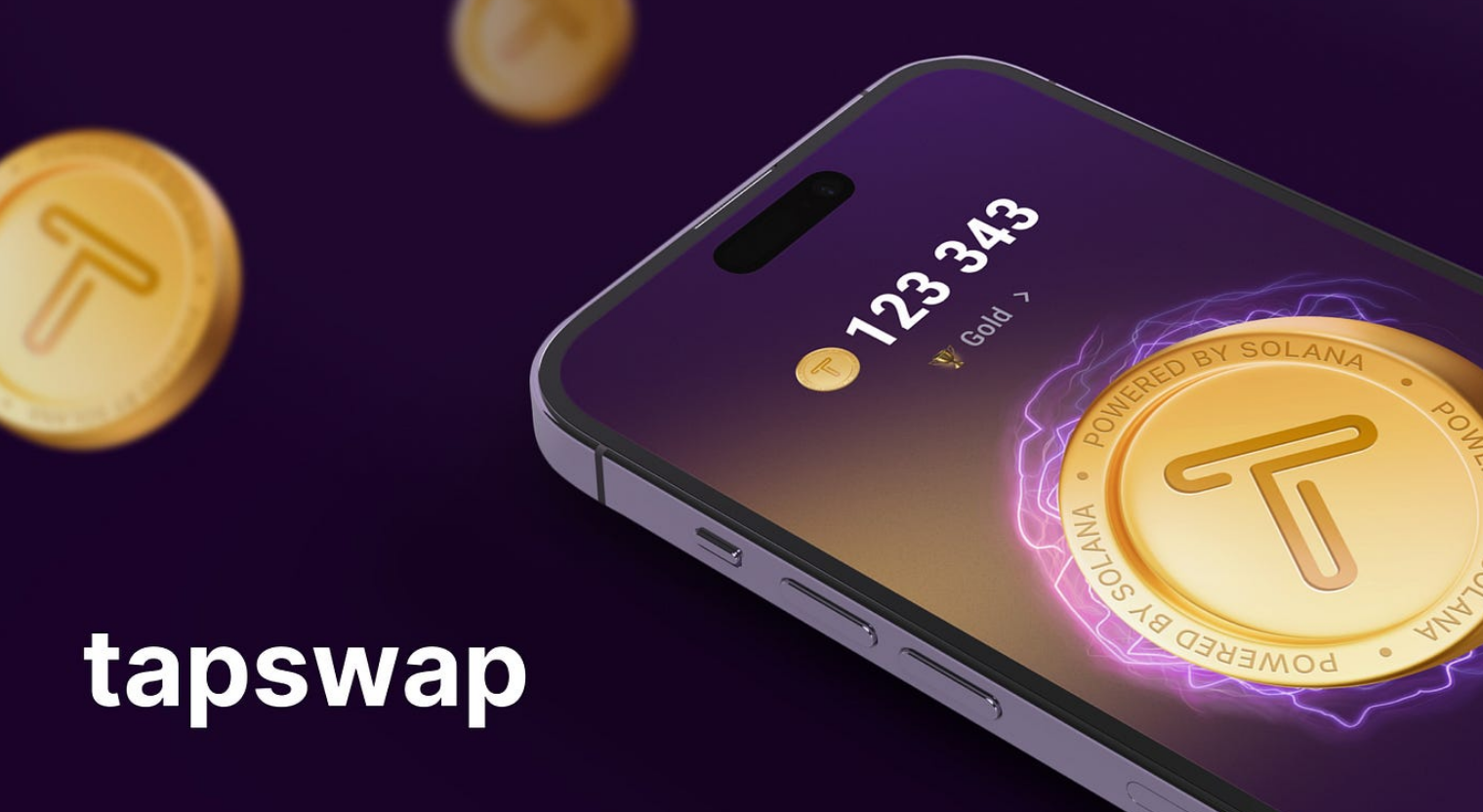
The game involves tapping the screen to earn coins called "Shares". They can be converted into TAPS tokens. The game offers many upgrades: increasing the coins earned per tap and reducing cooldown times. TapSwap is expanding its ecosystem with introducing staking and a launchpad for new projects.
What Are Move-to-Earn Games?
The model is similar to Play-to-Earn. But in the case of moving to earn games, it focuses on health and motivation to move.
Users who perform certain actions in real life are rewarded with tokens from the projects they participate in. They can then sell these tokens and receive real money on their card or account.
It is worth noting that some apps require a fee to join, meaning you need to invest a certain amount of money to start earning. Others allow you to start participating for free.
Ways to Earn Money
- The first is completing tasks. Each app has tasks that are paid for with project tokens. For example, walking 5 km, running 10 km, or learning a certain number of foreign words.
- The second is minting NFTs. Some M2E apps allow you to mint new NFTs and earn even more tokens. New NFTs are minted either by upgrading users' current NFTs or by combining several NFTs.
- The third way to earn money is by trading NFTs. You can sell NFT items that you have previously purchased at a higher price. For example, you bought NFT sneakers for 1 BNB and sold them for 1.5 BNB after a while.
- And the last way is NFT staking. You can send NFTs to staking and earn project tokens. The number of tokens will depend on your NFT level. The higher the level, the more tokens you can earn.
A Few Best Move to Earn Apps Examples
The first is StepN. The StepN app runs on the Solana and BNB Chain blockchains. StepN has GMT and GST tokens. To join the project, you need to invest in NFT sneakers. The higher the level of the sneakers, the more you earn and the faster you recoup your investment. Users earn tokens for running and walking. You can also sell your NFT sneakers and buy others. The return on investment depends heavily on the GST/GMT token price, as it is from their sale that you make a profit.
Sweatcoin app. Joining the project is free. The app runs on the Near Protocol and Ethereum blockchains and has a SWEAT token. Every day, the platform rewards users for watching ads to get gift boxes. Each gift box contains a random reward of 0 to 1,000 SWEAT tokens. For every 1,000 steps, you receive one SWEAT token. A maximum of 10,000 steps can be counted each day.
Once you have accumulated rewards, you can spend them on goods and services, exchange them for SWEAT tokens, and then for other cryptocurrencies or fiat money. SWEAT coins can be used to purchase training courses and certificates.
Classic Play-to-Earn and Idle Crypto Games
When it comes to play-to-earn games, the idea is pretty simple: you play the game and you earn money.
Best in the sphere: Axie Infinity. This one became a household name back in the first wave. It mixed simple battles with breeding mechanics and pulled in huge communities. The atmosphere today is quieter, but it’s still a reference point whenever people talk about early P2E experiments.
Mobox took a lighter route. It blended casual gameplay with DeFi elements and kept things friendly for newcomers. People often mention it because it makes earning feel less stressful and more like a background activity.
Well, where does that money come from? To keep players playing it would seem that you would need to keep paying them. Now, there are tons of ways you can pay these loyal players, but let's go through a few different ideas.
Number one: new players. Many play-to-earn games follow this model whereby money is pumped into the system by a new player required to buy an item. For example, to play Axie Infinity you must buy an Axie, which is a character used in the game. When someone buys an Axie, they are putting money into the game that is then, through a series of transactions, possibly cashed out by another player.
Let's move on to where the money can come from. Number two: a membership model. This is a much better model than the previous model because it means the fee is equal for all players. In the previous example, someone with ten thousand dollars to play the game automatically has an advantage over someone who only has a hundred dollars, giving wealthier players an unfair advantage.
A membership model would look like a seasonal membership fee that is the same for all players, where the skillful players will win the money that the skill-less players paid in. To me, this is a much more fair model, but it also leaves a ton of money on the table, which is probably why many protocols don't even consider it.
The next model is called pay-to-win. Now this one's pretty obvious, and we see it in some games like Minecraft, where you can spend a few hundred dollars to jump-start your way to hard-earned tools and items. Because this is seen as giving rich players an unfair advantage, some other games raise revenue this way but instead of giving things that are useful, like items or tools, they instead give other useless things like a different skin, or the option to change your username, or just the ability to flex by changing how you look.
Number four: Advertisements. Similar to how Apple advertises at large football stadiums, maybe Razer or Logitech could pay a game to advertise in their PvP arenas. Now this is outside money coming into a game, and it's not from lower-skilled players and it's also not from the hope of speculative investors making money. In fact, it's an actual business model.
The play-to-earn game could have a few advertisements throughout the game that raise monthly revenue, of which some of that could be portioned off for skillful players to reward them for playing, and the rest could go to the devs to continue to develop the game.
Thus, the development team has an incentive to build a game that attracts a lot of users. The players have a sustainable way to actually earn money while they play (at least if they're good). And, most importantly, without taking it from the skillless players.
And these advertisers get a new paid advertising route that may be really effective for their goals.
For a play-to-earn game to actually be sustainable — for it to succeed ten years from now — the money, coins that the players are earning must also be sustainable.
Tap to Earn vs Play to Earn vs Move to Earn vs Play to Earn: What’s the Difference?
You see different games connected with different preferences. Tap-to-earn is for people who enjoy quick rewards without investing much time. Move-to-earn is best for those who already walk a lot, run or exercise and can naturally integrate earning into their routine. Play-to-earn attracts players who care about gameplay itself (progress, strategy, items collecting). Idle games: somewhere in the middle.
No matter which game you choose, approach them as experiments or entertainment. Common problems people forget about their personal life, forget about time but these games are not a stable income. Rewards depend on coin prices, market cycles and a project’s ability to be stable.
Risks, Scams and Safety Tips
It is an important point. Crypto apps are fun until they start pushing weird offers (top up your balance, or if they promise life-changing income for screen taps). What to do to keep you out of trouble before some games eat your time or money?
Common Red Flags Across All Models
Some warning signs pop up in every format:
- Wild promises like “$100 per day from your phone”. If it sounds like lottery money, treat it like one.
- Upfront payments to “activate” rewards or unlock withdrawals. This is where most scams start.
- Anonymous teams with no profiles, vague documentation, and zero real communication. If the people behind it hide, ask yourself why.
How to Test New Games Safely
Want to try something new? Keep your setup simple and low-risk. A few habits will save you:
- Use a separate wallet and a separate email. Keep your main accounts out of experiments.
- Begin with no deposits or the smallest possible amount. Treat early days like test mode.
- Keep app permissions limited. Don’t give access that the game doesn’t genuinely need.
All it keeps things clean, lets you enjoy the trend, helps you experiment without costly mistakes.

