


The crypto world is rife with pretenders. Some people will stop at nothing to look like a big-shot influencer, even when that means it's all a lie. I've seen new investors get sweet-talked into profiles that seemed popular and knowledgeable, only to realize later it was all a sham. The FINPR team works with various influencers, and when analyzing a large database of accounts, we always look at certain factors, such as how high-quality and authentic a person's content is. Here, I will tell you what we pay attention to when you come across a new page on social media.
Why Fake Crypto Influencers Are a Problem
Crypto influencers can be very influential, and a single tweet or a review on YouTube can drive up or crash a coin's price. That same influence attracts fakes and scammers too. Unsuspecting followers can get hurt, and you might fall into bad trading advice, buy into a scam project, or even send money to a thief.
Crypto communities are built on a basis of trust and credibility, and these fakes erode that trust at every turn. Nobody likes to be 'that guy' who got swindled by some X/ Twitter account with a million fake followers or a Telegram user impersonating their favorite blockchain developer. That's why learning the warning signs and how to protect yourself is important.
Types of Fake Crypto Influencer Accounts
- Impersonator Accounts: Those are scammers who impersonate famous or influential individuals. They will copy a profile picture, name, and bio of some real crypto personality. For instance, big names like Elon Musk, Changpeng Zhao, better known as CZ, or Vitalik Buterin will often be impersonated on Twitter (now X). They usually have a username that is slightly off from the real one-an extra letter or a subtle misspelling-hoping you won't notice.
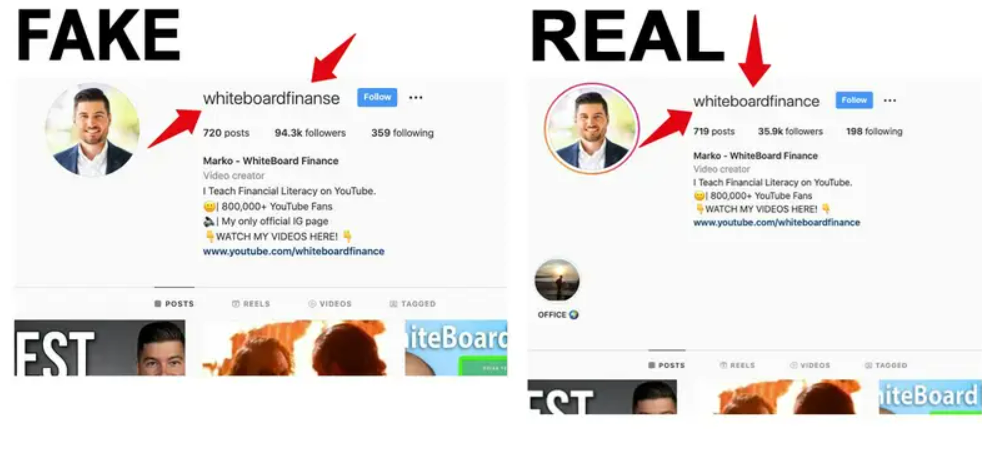
The impersonators often reply to tweets by the real influencer or send out urgent-sounding posts about giveaways, "exclusive" airdrops, or donation campaigns. A classic move is the crypto giveaway scam: "Send 0.1 ETH to this address and get 1 ETH back!". No genuine crypto influencer is giving away 10x returns in exchange for you sending them money.
- Fake Follower “Gurus”: These individuals create a persona as a crypto expert or trader and artificially boost their social media stats. They buy thousands of followers (often bot accounts), use services to auto-like and auto-comment on their posts, and basically try to look influential. Such “gurus” might also join the so-called engagement pods-small groups that agree with each other to like and comment on each other’s posts-to game the system. They may be overly promoting some obscure token all the time because very often, they get paid by shady projects to do so.
- Hacked or Deepfake Profiles: Less common, but scarier. Sometimes, scammers will hack a real influencer's account or create deepfake videos of a well-known figure to push a scam. For example, there have been cases where hackers took over verified Twitter accounts of public figures or crypto YouTubers and then advertised fake token sales. Now, in 2025, 2026, there are more and more fraudulent schemes, some kind of AI fakes. And every day it becomes more and more difficult to figure out where the real content, real video, image is, and where it is generated. Every day, more sophisticated methods appear. In fact, if you don't keep your finger on the pulse of the latest technological trends, it becomes easier to mislead people with artificial intelligence. And here you need to be extremely careful.
Red Flags: Spot a Fake Crypto Influencer
It is pretty easy to identify fake influencer accounts if one knows where to look. Here are some such telltale signs you might want to look out for whenever evaluating a crypto influencer's profile or content.
🚩Strange ratio of likes and views
On X/Twitter, real people are more willing to like a post, less likely to leave a comment/question on the topic, and even less likely to retweet it — this is the ratio of reactions a post should have.
- If a post has 100k views and 5 likes, it's suspicious.
- If a post has 100k views, 50k likes, 50k comments, and 30k retweets, it is also suspicious.
A red flag on YouTube is disabled likes and a constant 20k views on each video.
- Hiding likes = hiding activity
- 20k views on every video is not possible, there should be dynamics, not every video can “take off.”
🚩Empty comments under tweets or videos
- Repeated phrases - Great project!, Great video review, Nice video bro.
- Comments are not related to the content of the post (for example, from shill accounts)
Bots and paid commenters usually leave very generic praise that could fit under any post. Real engagement includes questions, debates, or even skepticism. If an influencer's replies are all one-word compliments or random spam, they've likely juiced their engagement with fake accounts.
🚩Inconsistency between reach and discussions
An influencer with 500k views should have at least a few real discussions in the comments. If the views are high and the discussions are zero, the views are inflated by bots. If an account makes broad claims or promotions, publishing them frequently but never actually responding to commenters, that's suspicious. It may be because they don't have any real followers with whom to engage in conversation or simply don't care once they've got your attention. A healthy crypto community has dialogues. If the account feels like a one-way broadcast or an ad channel, be wary.
🚩 Low Quality Followers
It's worth poking around an influencer's follower list if you suspect something. A lot of the time, fake followers bear telltale hallmarks. They have no profile picture, or use a generic photo stolen off Google. Most don't have any posts of their own, or follow thousands of accounts but have few or zero followers themselves. Click on a few, and if you see this pattern over and over, you're looking at a bot army. A legitimate crypto influencer will have a more organic mix of followers: real people with their own posts and profile pics, other known individuals in the industry, etc.
There are special services for checking the ratio of real and fake subscribers on a specific account on a specific platform. However, we cannot mention specific services here for two reasons. First, these services change very often because they can change their website address. They also change frequently for a second reason, namely that they operate in a gray area and are often blocked in various jurisdictions around the world. Therefore, you will have to check and find such tools on the internet yourself. Some may be paid, some may be free, but such services do exist.
And there, for example, you see that someone has 10,000 followers on Instagram, but the percentage of real followers is less than 50 percent. This means that there was definitely cheating involved and such an account is not very valuable.
🚩 Unusual Content or Behavior
Pay attention to what and how the influencer posts. Impersonators may slip up with weird phrasing or off-topic posts that the real person would never share. For example, if “Vitalik_ButerinOfficial” suddenly tweets about a random NFT giveaway, that’s clearly off (the real Vitalik isn’t shilling that stuff). For fake gurus, watch for content that’s all over the place or overly promotional with little substance. Do they post any original insights or is it mostly referral links, affiliate codes, and slogans like “This coin will 100x, trust me”? Real influencers tend to provide value, maybe some technical analysis, news commentary, educational threads, etc.
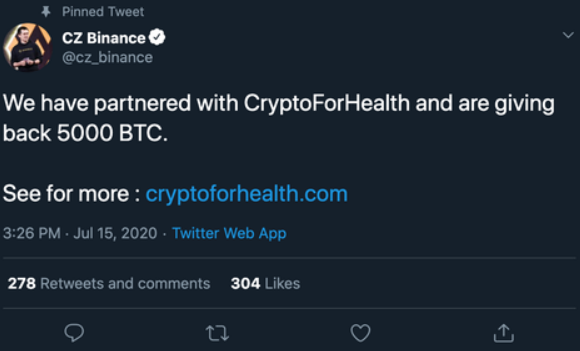
Most of the fakes just create FOMO and hype. Another point is to see if they disclose sponsored content. Most platforms require influencers to tag paid promotions. If someone is constantly hyping new tokens and never notes any sponsorships, they may be concealing pay-to-shill deals, which is unethical and misleading.
Don't think that if you see a crypto blogger showing their supposedly real wallet with some income from trades on their channel and that they have a lot of capital used in trading, it means anything. It has long been known that there are many fake websites and apps that allow you to fake any wallet and indicate any amounts there. So, showing your wallet in some of your videos does not mean anything at all.
Staying Smart in the Wild World of Crypto Social Media
Crypto is a wonderful space with many well-informed and genuine voices. There are influencers who truly add value-they educate, inform, and even entertain while helping the community make sense of the complex crypto landscape. We don't want to make you paranoid about everybody, just be able to sift out the bad actors. Next time you see some hot crypto tip somewhere on social media, you're going to know how to make sure the messenger is trustworthy.

