

One of the questions we get a lot is: how often should project post content on social media? Should we post daily? Should we post twice a day? Should we post once a week?
So, this is the million-dollar question, right? How often do you post on social media to get the most engagement, the most eyeballs on your posts, and all the things that you’re throwing out on social media?
We, the FINPR team, work with Web3 projects with different specifics, and there are certain average ranges for optimal posting. But let's take things one by one.
In this article, we're going to show you exactly how many times you should be posting on the social media platforms. Coming up.
Quick Cheat Sheet
Are you posting frequently enough on your social media platforms? You might be under-posting or over-posting, and both can hurt your content strategy.
- X (Twitter): 5–10 posts per week + daily replies
- Telegram: 1 update per day + real chat
- Discord: 2–5 announcement posts per week + daily community touch
- LinkedIn: 2–4 posts per week
- Reddit: 1–3 posts per week + thoughtful comments
- YouTube: 1 video per week (or 2 per month)
- Shorts / TikTok / Reels: 2–5 short videos per week
- Blog (Medium / Mirror / Substack posts): 2–6 posts per month
Comment from FINPR's social media manager:
For Twitter, the normal frequency is 1-3 posts per day, which should be a mix of announcements, product posts, shield posting, and memes. Infrastructure and all kinds of technological projects adhere to a frequency of 2-3 posts per day, the main thing is that they are of high quality.
On other social networks, there is no point in posting more than once a day. On LinkedIn, you can post several times a week, not necessarily every day. But one post per day on Telegram, Discord, Instagram, etc. will be enough.
Now the real detail.
Establish Distribution of Quality Content First
Before getting the answer about frequency, I want to say that for most companies the problem is not that they're not posting enough - it's that they're not focusing enough on high quality content and finding the right mode of distribution for that content.
And typically distribution, or reach, is controlled by small groups of people. So journalists, for example, executives at big firms that have access to tons of customers, super influencers on social media - these are really where you should be focusing so that you can get a lot of distribution for high quality content that you create.
How Web3 Audiences Differ from Traditional Social Media Users
Look at the people in your industry who are growing at the rate you want to grow, who are doing the things you want to do, and ask yourself: am I posting anywhere near? Frequency completely depends on your specific audience, your specific strategy, so understand that with all of these.
They Don’t Just “Follow” - They Monitor
A lot of traditional social audiences follow for entertainment, identity, or light interest. In Web3, people follow like they’re tracking a position. Even if they’re not literally invested, they’re watching with that same mindset.
So they read posts like:
- Is this team shipping or stalling?
- Is this news real or hype?
- What’s the catch?
- What changes for me if I use this today?
That’s why empty posting hurts more here. A generic “We’re building!” update doesn’t feel neutral - it can feel suspicious.
Community > Company
Most Web3 projects wouldn't survive without their communities. The community promotes the project, defends it against critics, creates content, onboards new users, and often contributes to development.
This flips the typical social media power dynamic. Your community isn't working for you - you're building something together. Many of your best posts will come from community members, not from your official accounts. Your job becomes amplifying and coordinating community voice rather than controlling brand message.
The Audience Is Split: Traders, Builders, and True Believers
On traditional social, your audience segments often behave similarly. In Web3, the gap is huge.
You’ll usually have some mix of:
- Traders - fast attention, care about catalysts, numbers, risk, timing
- Builders - slower attention, care about specs, integrations, docs, reliability
- Community-first users - care about culture, identity, belonging, inside jokes
- Observers - read everything, rarely engage, show up when it’s time to act
One posting style won’t hit all of them. If you only post “alpha,” builders tune out. If you only post technical threads, traders scroll past. If you only post memes, serious users stop taking you seriously.
A smart cadence mixes formats so each group gets something that feels made for them.
Platform-Specific Posting Frequency Recommendations
X (Twitter)

Twitter - tons of frequency there. Five to ten tweets a day is not uncommon for a lot of accounts, but again, that's usually not sustainable when you're first getting started. So it's okay to work your way up. Maybe start with one or two tweets a day and kind of go from there.
Best range for most projects: 1 post per day, 5–7 days per week.
If you’re in a launch week: 2–4 posts per day for short bursts.
If you’re a small team: 3–5 posts per week + daily replies.
X rewards presence, but it punishes repetition. If you post daily, make the formats rotate so it doesn’t feel like the same update wearing different clothes. What works well on X:
- 2–3 “short hits” per week (a clear point, one screenshot, one link)
- 1–2 deeper posts per week (thread, mini case study, lessons learned)
- 1 weekly recap (shipped, fixes, what’s next)
- Replies every day (this is where trust builds)
Telegram
Telegram is very much instant messaging, and so you don't want to overwhelm people and annoy them. You definitely want to just share your message and make sure that they're seeing it, because with a platform like Telegram, most everyone is actually seeing your post. It's kind of one-on-one messaging in a way. So you don't want to overdo it.
Best range: 1–2 posts per day for the main channel.
Community chat: be present daily, even if it’s short.
Telegram is not a place for “weekly drops”. People open it expecting movement. The posts can be short. Just keep them real.
Good Telegram rhythm:
- 1 daily update (progress, status, reminder, recap)
- 1 community-focused message (poll, feedback request, spotlight)
- 1 support-style message if needed (links, guides, fixes)
Discord
Best range for announcements: 2–5 posts per week.
Community presence: light daily touch (mods or team).
Discord burns teams out when they treat it like a second X feed. Keep announcements tight, then spend your energy in conversation.
A clean Discord setup:
- announcements channel for official updates only
- product-feedback channel with weekly prompts
- support channel with clear pinned answers
- a casual channel where the team can show up as humans
Now, with LinkedIn, this is a platform that has a big range. Like, a lot of people can post one time, a lot of people can post five times, and so usually kind of the in-between is one or three times a day. And again, you want to play around with, you know, that frequency and figuring out: is that beneficial, or is it actually hurting you?
Best range: 2–4 posts per week
Founder profile: 1–3 posts per week often performs better than a brand page
LinkedIn hates hype. It rewards clarity, actual insight, and tangible results. If your audience includes hiring, partnerships, enterprise, or compliance-minded folks, LinkedIn is worth it.
Strong LinkedIn post types:
- product progress with real numbers (usage, growth, retention)
- lessons from shipping or incidents (what happened, what changed)
- hiring posts that explain the mission and role clearly
- market POV written like a real person
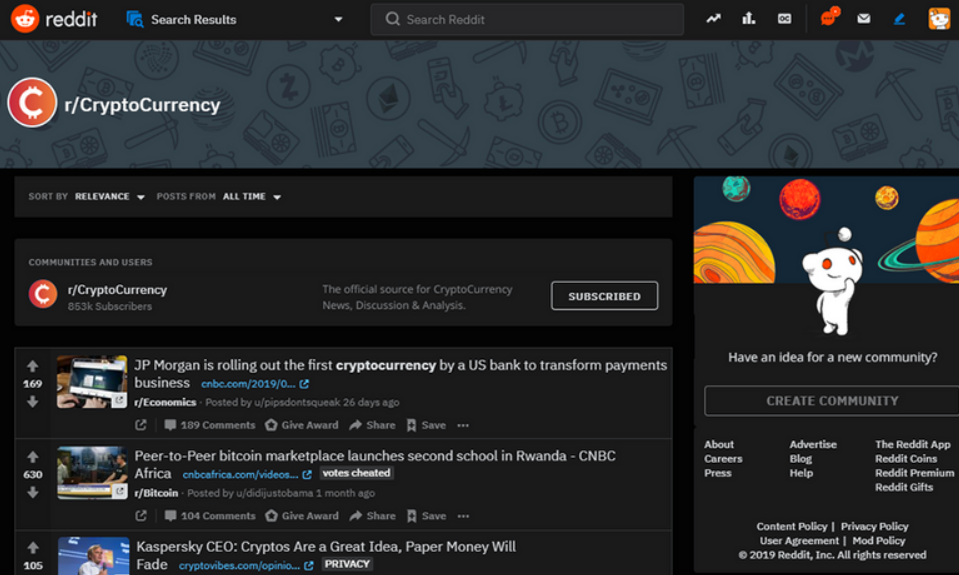
Best range: 1–3 posts per week
Commenting: 2–5 thoughtful comments per week in relevant threads
Reddit is picky. People there punish self-promo fast. The move is to contribute first, then post when you have something that fits the sub’s rules and culture.
Reddit-friendly content:
- explainers that answer real questions
- honest postmortems (what broke, what you fixed)
- transparent updates with links and receipts
- community AMAs done with respect for the sub
YouTube Shorts, TikTok and Instagram Reels
With Instagram, you're going to want to show up daily on Stories. So, you could go five, ten stories a week. You wouldn't necessarily go more than 10. Usually people get tired, skipping through. But something to play around with, to get more engagement when you post Stories - feel free to test and experiment.
Now, as you start getting more and more audience, some accounts post 10 times a day on Instagram because they have a large audience and not as much reach. So you want to play around with this. But usually when you get started, no more than one time a day. You need to let your post breathe.
The actual happy place on our Instagram feed is about four times a week. When you go to one a day, sometimes your reach suffers when you do that. So you want to, again, test and experiment. But usually starting with one post a day is a good place to experiment.
Best range: 2–5 short videos per week
Stories: 3–7 per week if you have moments worth sharing
Short-form works best for:
- quick demos
- “one tip” education
- clips from long videos
- event snippets
- founder POV in plain English
What fails fast here:
- trying to cram a whitepaper into 30 seconds
- too much jargon
- recycled memes with no point
Now, you might notice that we don't have on this list any of the long-form platforms. So we consider long-form: YouTube, podcasts, as well as blogs. And for those, you want to start out with one a week - one long-form piece of content every single week. And if you can, and want, and see we benefit from going two times a week or three times a week or even daily, that's something to play with and experiment.
YouTube
Best range: 1 video per week.
If production is heavy: 2 videos per month is fine.
Shorts: 2–4 per week if you can do it without lowering quality.
YouTube is a long-term channel. A steady release schedule beats random bursts. You don’t need to push weekly if the team can’t handle it. Viewers care about value per minute.
Great Web3 video formats:
- product walkthroughs (fast, clear, no fluff)
- “how it works” videos tied to your feature set
- honest founder updates
- community spotlights or partner demos
Blog Posts (Medium, Mirror, Substack Posts)
Best range: 2–6 posts per month.
If you’re small: 1–2 posts per month is still solid.
Blogs are where you explain decisions, document progress, and build credibility that doesn’t disappear in a feed.
Best blog topics:
- launch posts with real detail
- technical explainers written for users
- security updates, audits, incident writeups
- ecosystem reports, research, benchmarks
But again, remember the hard and fast rule here - the only one that exists - is that you need to continue experimenting for your specific brand, and you only want to be posting content in a sustainable way.
You do not need to be on every platform posting a ton of content all the time to be really successful.
Bottom Line
Those are some tactical approaches you can take about the frequency in which you post. So, there is no hard or fast rule here.
With experience in the Web3 space since 2017, FINPR can help you with content production and distribution, set up social media management, and configure marketing campaigns involving crypto influencers.

