

Summary
The reality check:
- The gold rush of 2018 has ended. Today, there are thousands of collections that are being dropped. People buy the artist and the story, not just the image.
- There are three kinds of buyers; many are speculators flipping for quick profits while others are hybrids that hold and sell but very few are true collectors that buy art out of love.
What the whales got right:
- WhaleShark did not just gather assets; he also created a community token ($WHALE) from his collectibles
- Before the boom, Pranksy was an early adopter of blockchain games and even went further to introduce an exclusive drop subscription plan
- Metakovan acquired Beeple’s “Everydays” at a cost of $69. 3 million but made it digital galleries
- The common thread: they created value beyond owning files
You should:
- First of all decide what your theme is going to be - females artists or gaming assets only? Stick to this.
- Choose the most suitable chain depending on your audience: Ethereum if you want to be associated with top companies, and Solana/Base for cost-effectiveness.
- Expose every bit of your process to the public eye prior to launching – make known every sketch, every failure, every decision.
- Make minting simple. Don't favor crypto veterans over newcomers.
- Form a community that will outlive the initial hype.
NFTs definitely have changed the digital art and collectibles market as they offer unique ownership experiences (through blockchain). And top NFT collectors through their strategic acquisitions and investments significantly influence market trends and artist recognition. Many of them have invested in the top NFT projects of recent years that drive growth and innovation across the digital art industry.
Here we will examine why all this is purchased in the first place, what criteria are used to select works. We will point some interesting NFT collecting cases and discuss - what collectors consider valuable.
Here we will examine why all this is purchased in the first place, what criteria are used to select works. We will point some interesting NFT collecting cases and discuss - what collectors consider valuable.
Why People Still Build NFT Collections in 2026
If you ask any NFT collector what they look forward to the most about a newly launched and promising project, chances are it will be to acquire some of the rarest NFTs in the collection.
How the first collectors got into this field... It was in early 2018, when cryptocurrency boomed: Bitcoin reached twenty thousand dollars. It all started back in late 2016, but the hype continued in 2018.
That's when the first CryptoKitties and CryptoBots appeared — when you could “crossbreed” them to create new mutations. And from that moment on, this sphere caught the attention of many.
The topic of initial sales (mint) is particularly popular. You buy an NFT for 0.1 ETH, and a minute later you can sell it for 1.5 ETH. Right away. And if you wait 2-3 months, the price can rise to 5 ETH. This is a normal story. A majority of collectors participate in these launches with the hope of minting NFTs with the highest rarity scores.
Today the market is saturated. Thousands of images are released every day. And people don't just buy visuals, they buy the character, the author, their image, their story. If the artist is not in sight, then you are not in the market.
There are three types of NFT buyers on the market. Each of these categories has a completely different logic of behavior on the market:
- Speculators (approximately 50%): They buy only for resale. Bought for 0.1 — sold for 0.2 — satisfied. They do everything quickly: saw the mint, went in, bought, sold, left.
- Intermediate: Neither collectors nor speculators. They have a portfolio: they hold some, sell some. Sometimes they become involuntary collectors: NFTs rise in price, it's a pity to sell, the project is developing — and they hold on longer.
- Pure collectors: They are not interested in speculation, but in art itself. Especially in the field of invite art. There is no guaranteed price increase — they buy for aesthetics or to support the author. They don't care how much it will cost later — they take the work simply because they like it, or because they want to support an artist they admire. They can keep it for years.
And these guys — pure collectors — are probably the smallest category. There are very few of them. They bought something, saw that the project was growing, decided to wait, then wait some more, and ended up holding half their portfolio for years, even though they initially just wanted to flip the deal.
Lessons from Top NFT Collectors
We analyzed strategies of renowned NFT collectors to detect patterns you can adapt on a smaller, safer scale.
1. WhaleShark
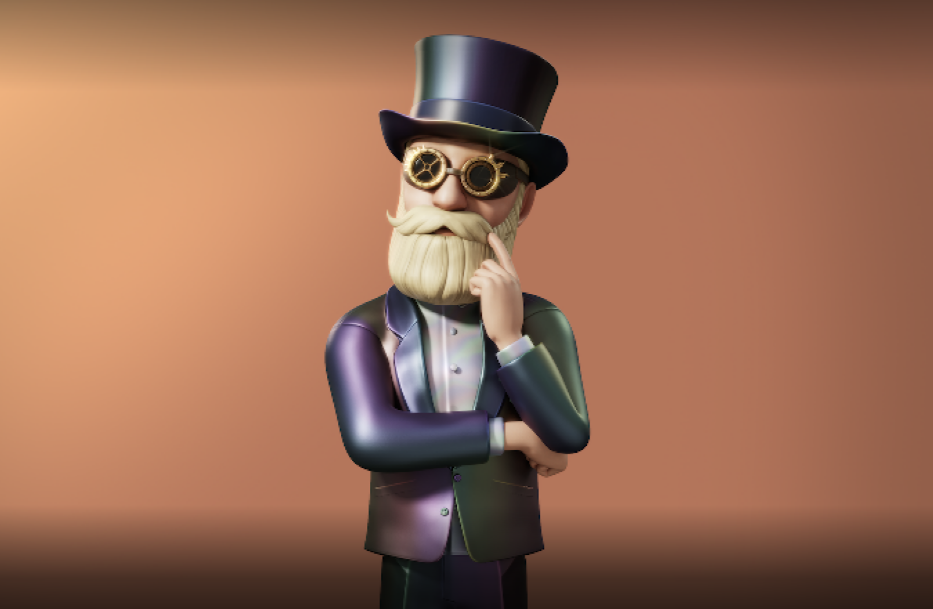
WhaleShark is an anonymous NFT collector with a background in traditional finance. He has built “The Vault” - a collection of thousands of NFTs (from digital artworks to virtual real estate properties). Beyond building an impressive NFT collection, WhaleShark has developed the $WHALE community. It's a community of creatives backed by a social token.
WhaleShark's collection is diverse, focuses on getting a wide range of digital art and virtual real estate. The collection includes pieces from a variety of artists (focus on both the aesthetic and potential long-term value of the digital assets).
What You Can Learn from WhaleShark:
- Building a strong community can create a collaborative ecosystem for artists, collectors.
- Collection of assets from various creators can represent a strategic investment approach.
2. Pranksy
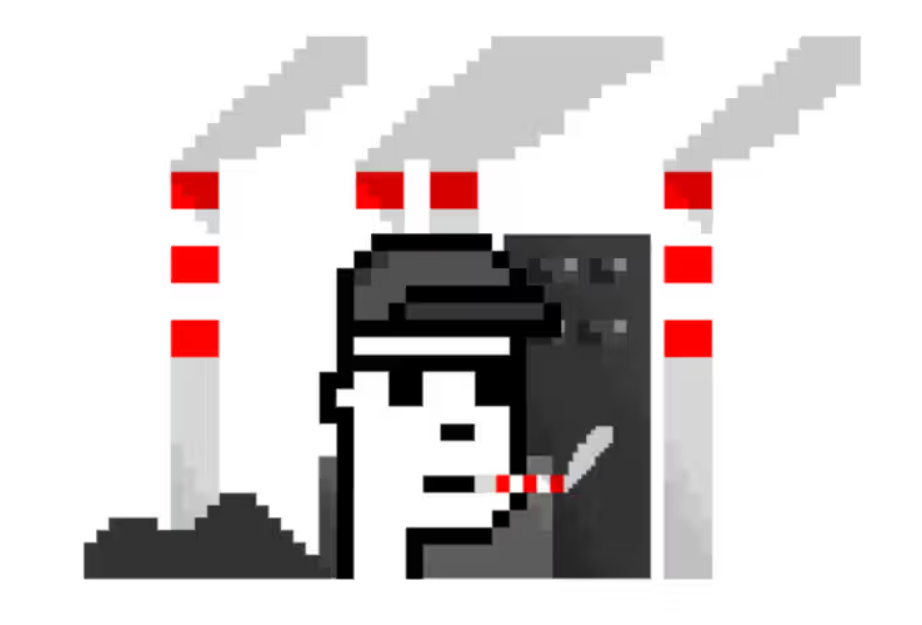
The second person is Pranksy. He is a reputable collector, investor. He is known for turning a low-cost investment into a multimillion-dollar portfolio. The focus was on blockchain-based games and arts before expanding into a diverse range of NFTs. Pranksy also is known for entrepreneurial ventures like "NFT Boxes". It is a curated paid service that delivers themed collections to subscribers. It provides exposure for artists and a unique acquisition method for collectors. Pranksy's collection is characterized by a keen eye for emerging projects and making early investments in successful collections.
What You Can Learn from Pranksy:
- Success can be built on getting into quality projects (before they become mainstream).
- Innovative projects that support artists and offer unique experiences for collectors can boost your online influence.
3. Justin Sun
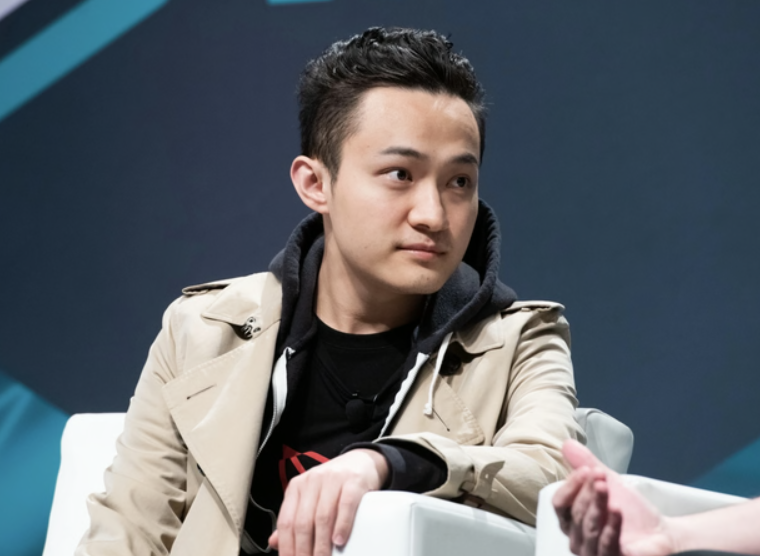
You know this guy. No? Then read on. Justin Sun is the founder of TRON. He is a major figure in crypto who made a serious impact in the NFT market. He was outbid, but his $69M bid on Beeple's "Everydays: The First 5000 Days" caused much attention. Justin got other high-profile NFTs and was proactive: he integrated NFTs into the TRON ecosystem to make digital art more accessible.
His collection focuses on high-profile digital artworks from renowned artists. The NFT collection strategy is in receiving culturally significant NFTs, promoting the use of the TRON blockchain for art creation and trading.
What You Can Learn from Justin Sun:
- Integrating NFTs into a broader ecosystem can create a unique value proposition.
- Reducing barriers to entry can attract a wider audience to the NFT space.
4. Metakovan (Vignesh Sundaresan)

In the middle of our list is Vignesh Sundaresan (Metakovan). He is the founder of the NFT investment fund Metapurse. He gained international fame for his record-breaking $69.3 million purchase of "The First 5000 Days". Yes, it is Metakovan who beat Justin Sun. His mission is to democratize access to art and support artists from less fortunate communities.
Metakovan's Metapurse collection concentrates on high-value digital art and virtual estate. He focuses on creating immersive experiences. Developing virtual museums and galleries to display NFT collections to a global audience - his aim.
What You Can Learn from Metakovan:
- Look beyond the hype and invest in what you believe for lasting impact.
- Take advantage of the digital nature of NFTs to create new ways for people to engage with.
5. 3F Music
3F Music is a Dubai-based music production company that made headlines by acquiring a diverse range of high-profile NFTs (digital artworks and popular internet memes). The collection of 3F Music is eclectic and reflects a broad interest in digital culture. Their acquisitions span various forms of digital expression, such a combo demonstrates a strategy of investing in the wider spectrum of digital creativity.
What attracts their audience:
- A collection can reflect a wide range of interests - high-end digital art, culturally relevant memes.
- Your background in one industry can provide a unique perspective and advantage in the NFT world.
6. Eric Young
Eric Young is a venture capitalist and art collector. His assortment features items from well-known artists (e.g. Beeple, Pak), Eric has a strong belief in the potential of NFTs. He is also an active member of the NFT community, as he supports discussions and promotes the growth of the ecosystem.
Young's collection is focused on blue-chip digital artists, reflecting a strategy of acquiring works from the most recognized creators in the space. His approach is in being passionate about bridging the gap between the traditional art world and the burgeoning NFT market.
What You Can Learn from Eric Young:
- Use your influence to help integrate digital art into mainstream art institutions.
- Active participation in discussions and events can help shape the digital future.
7. Pablo Rodriguez-Fraile
Last place goes to Pablo Rodriguez-Fraile - Miami-based art collector and investor known for his early and strategic investments. He is known for reselling a Beeple artwork for a nearly 100-fold profit. He is also a co-founder of the Museum of Crypto Art (MOCA), a virtual space dedicated to exhibiting NFT artworks.
Rodriguez-Fraile's collection is also diverse. His focus on acquiring pieces and on curating a platform for digital artists in order to reach a global audience.
What You Can Learn from Pablo Rodriguez-Fraile:
- Hunting down and investing in artists and projects early on can be highly rewarding.
- Creating virtual museums or galleries can help legitimize digital art and provide exposure for artists.
Step-by-Step: How to Start Your First NFT Collection in 2026
1. Get clear on what you’re actually making
Before you even think about blockchain or marketplaces, ask yourself: what’s the point of this collection? Are you building something collectible, functional, or just fun? Maybe it’s art, maybe it’s access passes, maybe it’s a mix.
You need to start by defining the theme you are working with. For example, some collectors try to find only works by female artists. Others can focus on gaming NFTs with projects that have a live user base.
2. Sketch it out, even if you’re not an artist
You don’t need to be Picasso. Use rough drafts, mood boards, or even Midjourney to explore visuals. What matters is consistency: colors, style, vibe. People connect with a clear visual language faster than you’d think.
3. Pick your chain like you’re choosing a neighborhood
Ethereum’s still the big name, but fees can sting. Solana’s fast and cheap, Base is gaining steam, and newer chains like zkSync are getting real traction. Consider who your audience is, where they already hang out, and what gas fees they’ll tolerate. No “best” option – just what fits your goals.
4. Decide how your NFTs will actually work
Will they be 1/1 pieces or part of a 10,000-item drop? Will they include utility – like Discord access, IRL events, or future airdrops? Or are they purely for show? Nail this early. It shapes everything from smart contract setup to how you’ll market them.
5. Build in public, even before you’re “ready”
People love watching things take shape. Share your sketches, your naming struggles, your failed renders. Start a Discord or a Twitter (well, X) thread. Not to “hype” – just to show the human behind the pixels. That honesty builds way more trust than a polished launch post.
6. Launch small, listen hard, then grow
The launch model adopted should not favor those with high technical experience or more familiarity with the intricacies of blockchains and smart contracts, thereby leaving everyday users at a disadvantage.
Another factor considered when assessing the success of the launch of an NFT collection is user experience. Knowing full well that blockchain and crypto are generally perceived to be complex, it would behoove developers to opt for minting processes that do not overcomplicate things. More specifically, opting for simple models would level the playing field for both the less technically inclined participants and the blockchain experts.
One of the core goals of successful NFT projects is to build strong communities around their collections. Whatever your views of Bored Ape Yacht Club, one cannot deny the strength of its community, which ranges from Bored Ape–themed restaurants to Ape holders donning merchandise representing the collection.
To achieve this, it is advisable to ensure that NFTs get into the hands of a diverse group of users rather than concentrating on a particular demographic or location. In other words, the user should not be required to have to trust that the operator or developer would employ fair procedures and mechanisms. Hence, the use of blockchain.
Let’s note the four main phases of an NFT launch.
- Bidding Phase: The stage when the launch goes live and interested buyers are expected to submit their bids to the smart contract or operator.
- Clearing Phase: At this phase, the smart contract analyzes the bids against the remaining supply of the NFT to determine a fair clearing price, as well as the winning bids.
- Distribution Phase: Once the clearing phase has ended, it is time for winners to claim or receive their freshly minted NFTs.
- Metadata Reveal Phase: At the last stage, the operator or smart contract reveals the attributes of the NFTs.
NFT Collecting Tips from Pro Collectors
Network in communities, not just marketplaces. A meticulous approach is really important here, namely using market analysis tools, at least at a basic level. It is very necessary to monitor. And, of course, all kinds of communication directly in online communities are important.
In other words, it won't work here if you just look at some marketplace and only look at the numbers. You also need to be involved in the NFT space. See what other people think, what they say, how they act, what the current trends are. This is the only way to understand it.
How are works selected? How do you know what to invest in? There are several types of invite projects:
First and foremost, investments are made in those that offer more than just images. In other words, it's not just an artist posting a random collection with a limited edition - that's not interesting.
The value beyond the image is important. For example, the project launches a game mechanic: NFTs will be used not just as images for resale, but as part of a universe. You will be able to upgrade them and do things with them.
These are important criteria: the idea, the long-term perspective, the roadmap, and the team.
We also look at activity on social media: X/Twitter, Telegram, who their partners are.
If it's another type — just an artist, without a project:
Then we look at the name.
For example, there is an artist who has already released four collections. Each one has ten works. He has a base, he has sales, he has style. If a fifth collection comes out, we evaluate previous sales, dynamics, and demand.
If he writes on Twitter: “I'm selling for 0.1 ETH,” and they sell out in 10 minutes, that's an indicator.
But what about newcomers? Those who have no history at all?
That's the hardest part. It's almost impossible to evaluate a newcomer. That's why such works are rarely bought. Because you can only assess potential based on indirect indicators: style, activity, stability, energy in presentation.
Only if the work really catches my eye - as if it's “looking at you.” That happens, but rarely these days. But newcomers still find their collectors. The main thing is not to spam every collector with “buy my work.”
Collectors often write themselves if they really like something.

