



Summary
2026 for crypto means that you often will find junk takes and AI slop spam. So, spotting real signal matters more than ever. This article lists journalists worth following to obtain reliable and objective information:
- Laura Shin and her Unchained podcast cut the noise with sharp interviews and clear breakdowns.
- Camila Russo runs The Defiant and hooks DeFi explanations with a global perspective.
- Ash Bennington maintains a steady course through the markets and regulation – avoiding the hype
- Jesse Hamilton keeps an eye for SEC moves and policy details that affect projects.
- Nic Carter links on-chain data to bigger macro situation.
- Colin Wu provides really quick updates on the Asian market that actually move prices.
- Zeke Faux has an exceptional knack for digging into scams and failures.
- And also, listen to Patrick McKenzie when he talks about compliance or Guy Swann explaining Bitcoin for beginners.
The role of crypto journalists in the industry will be even greater in 2026 than it is today as the industry becomes increasingly crowded, rapidly growing, and generating more content from AI, anonymous accounts on "X" as well as repetitive takes. For example, the biggest obstacle for founders, investors or marketers will no longer be access to basic knowledge about digital currency but rather finding 'relevant content' in a sea of irrelevant content.
Experienced cryptocurrency reporters and those at the top of the crypto media leaders will continue to have a significant role in the overall direction of the industry through their investigation of exchange hacks.
This guide will provide an updated version of the standard "Top X" Lists and break down the major sources of information into categories by beat so that each source is easily identifiable by the type of information reported by that particular source.
Why Crypto Journalists Still Matter in 2026
There is an overwhelming amount of information about cryptocurrencies available today; however, the majority of this information is not credible. Every minute there are new posts from influencers, summaries created with Artificial Intelligence, and posts created based on what gets the most engagement. However, most in the digital currency industry rely on trusted human journalists for accurate reporting during major events happening in the industry. Experienced crypto news journalists do three things algorithms and hype accounts can’t:
- They verify and contextualize. From ETF approvals to major exploits, journalists separate facts from speculation.
- They influence regulators and institutions. Policymakers, funds, and compliance teams read serious reporting, not Telegram rumors.
- They shape long-term narratives. Coverage around DeFi risks, memecoin cycles, or Real-World Assets (RWA) frames how the industry is perceived beyond digital currency-native circles.
Consider how investigative reporting impacted both how people responded to significant exchange failures, and how bitcoin ETF approvals in 2024 - 2026 were informed by a careful study and analysis of the media. The lessons from these examples highlight the advantage of tracking quality journalists.
How We Selected These Crypto Journalists
To build a practical, up-to-date list of top crypto journalists, we used clear criteria:
- Publishing during 2024–2026 (articles, newsletters, podcasts, etc.)
- Recognized for contribution (cited in reports, conference appearances, and demonstrated long-term impact in the industry)
- Providing critical, independent perspective - not just pure promotion.
- Representing a global perspective of crypto - not just representing one city or region.
- Coverage includes distinct beats that would interest digital currency entrepreneurs, digital coins marketers and serious investors.
The result is a curated list of best crypto journalists in 2026, grouped by what they actually cover. It is important to us that the reader can collect a high-quality information flow for their tasks: DeFi and infrastructure, regulation and politics, markets and macro, investigations and security, as well as long formats - interviews, essays, podcasts.
The Top Crypto Journalists to Follow in 2026
The development of the crypto media will continue in 2026. Many digital currency journalists will be operating at that time; therefore there will be many options available for the public as to who is giving your news about the cryptocurrency world. These digital coins journalists will also have significant influence over how digital currency is perceived and understood by investors, regulators and builders. You can keep up to date on developments occurring within the cryptocurrency world with these journalists.
DeFi & Web3 Builders
Creators in this category typically write for other members of “the builder community” as opposed to general users of the digital coins ecosystem. These digital currency reporters are more focused on the operational aspects of Web3 than they are on speculative trading or major headlines — the reality of how Web3 works versus merely providing content for a general audience. If you are interested in any of the following, you should follow these authors:
- DeFi Product Information,
- Information Regarding New Chains,
- Onchain Applications,
- Protocols and Wallets,
- Governance Guidance and Upcoming Infrastructure Projects.
Laura Shin

Laura Shin is a former senior editor at Forbes and one of the first mainstream reporters to cover digital coins full-time. She wrote The Cryptopians (2022), and during that reporting she and her sources found evidence pointing to who may have been behind Ethereum’s 2016 DAO hack. She hosts and produces the podcast Unchained, where she interviews some of the biggest names in digital coins. People follow her because she asks tough questions and explains complicated digital currency ideas in a clear, unbiased way. She got deep into crypto while working on the Forbes Fintech 50 list and then focused her career on making Bitcoin, Ethereum, and blockchain easier for a wide audience to understand.
Where to follow: Unchained podcast, Unchained newsletter, X(@laurashin).
Camila Russo

Camila Russo is a financial journalist who has covered crypto, stocks, and emerging markets across several continents. She wrote The Infinite Machine (2020), the first book that tells the history of Ethereum and how it was built. She is also the founder and CEO of The Defiant, a media platform focused on decentralized finance. Camila Russo is known for explaining complex financial and digital currency topics clearly and for bringing a global, market-focused view to DeFi.
Where to follow: The Defiant, newsletters, X(@CamiRusso).
Ash Bennington
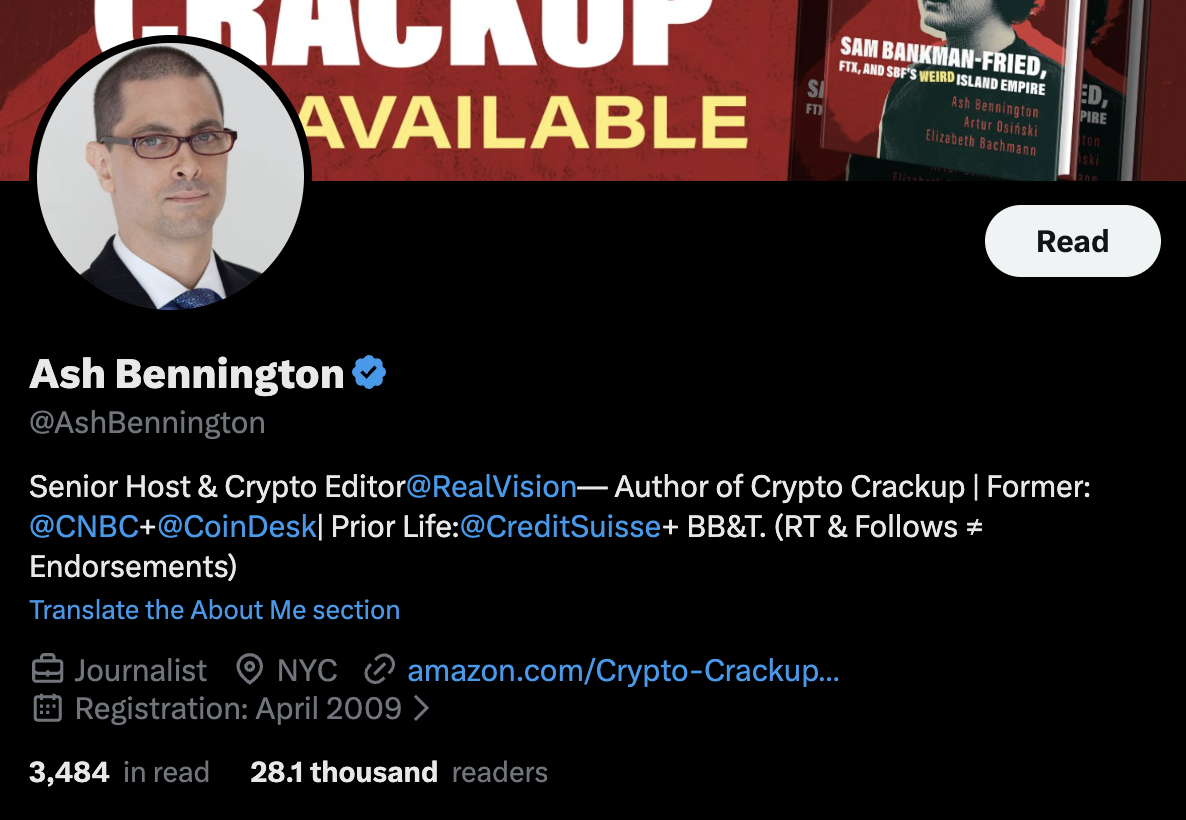
Ash Bennington is a senior host and crypto editor at Real Vision and a long-time financial journalist.
He focuses on digital coins markets, regulation, and the intersection between digital assets and traditional finance. Ash is the author of Crypto Crackup, a book about Sam Bankman-Fried and the collapse of FTX.
Before digital coins, he worked in traditional finance and media, including roles connected to CNBC, CoinDesk, and global banking institutions. People follow him for clear, calm interviews and deep conversations that help explain complex crypto topics without hype.
Where to follow: Podcasts, long-form interviews, X(@AshBennington).
Regulation, Policy & Compliance
Many who work within the digital currency space view journalists who focus their reporting solely on regulations (government regulations on cryptocurrencies) as only reporting on the "rules" or "political signals". However, this is not true, as these types of writers follow the actions taken by regulators and make sure their audience has all the details regarding everything that occurs during the regulatory process.
Jesse Hamilton
As a journalist who covers crypto policy for the United States, Jesse Hamilton covers the SEC, CFTC, congressional hearings, and enforcement actions against cryptocurrency companies. His reporting helps to clarify how legal decisions and policy developments will affect digital coins exchange operators, DeFi project developers, and stablecoin issuers. If you want to stay ahead of the curve with respect to regulation, you should follow him and look for updates in advance of when the topics become newsworthy.
Where to follow: News articles, X(@JesseJHamilton).
Patrick McKenzie

Patrick McKenzie (known as patio11) is a writer and commentator who focuses on crypto, payments, fintech, and regulation. He is best known for explaining complex topics like compliance, incentives, AML, and financial infrastructure in a clear, practical way. Patrick often breaks down how regulators think and why certain digital coins behaviors attract enforcement attention. He currently works as an advisor to Stripe and writes independently, sharing thoughtful analysis rather than daily news.
His X profile has about 67,600 posts and around 186,900 followers, making him one of the most widely read voices on digital currency policy and fintech discussions.
Where to follow: Blog essays, X(@patio11).
Markets, Trading & Macro
Crypto journalism takes a holistic view of the market. They detail why certain cryptocurrencies experience price fluctuations, how Bitcoin's cycle operates, what effect ETFs have on the market in practice, and how macroeconomic events impact the digital currency-space.
Nic Carter
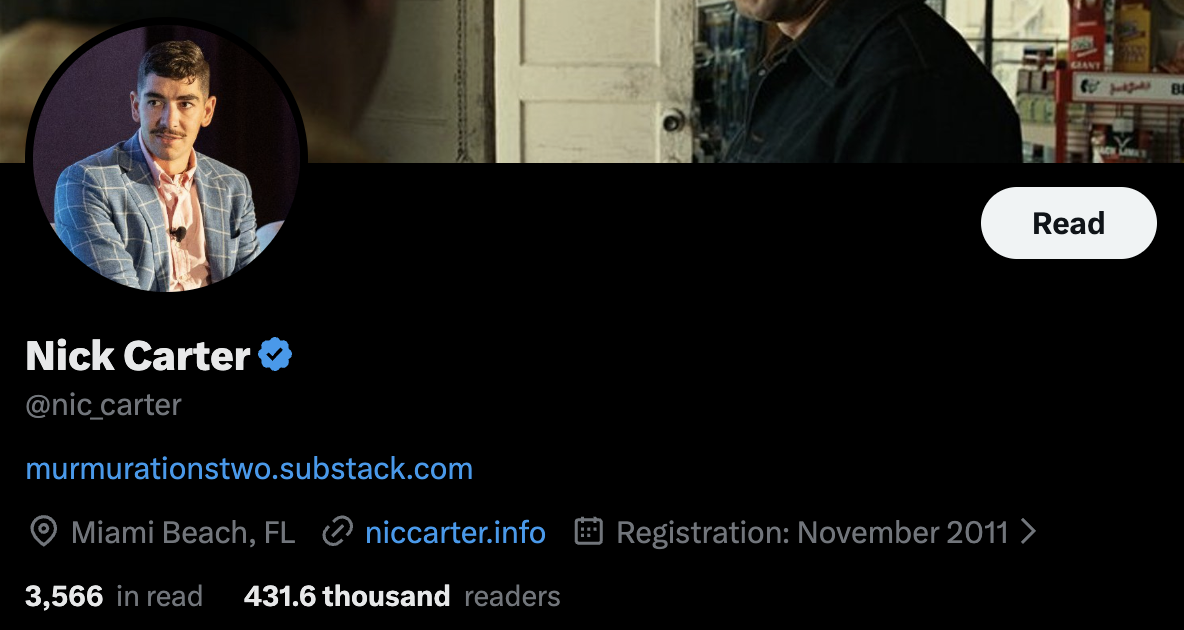
Nic Carter is a crypto analyst and writer focused on Bitcoin, market structure, and institutional adoption. He is best known for his long-form analysis of Bitcoin cycles, ETFs, miner economics, and how capital flows shape digital currency markets. Nic writes independently and publishes research that connects on-chain data with macro and financial system trends. People follow him to understand why markets move, not just what the price is doing today. On X, he has around 72,000 posts and about 431,600 followers, making him one of the most widely read voices in digital coins market analysis.
Where to follow: Essays, podcasts, X(@nic_carter).
Colin Wu

Wu Blockchain is a crypto news account focused mainly on Asian crypto markets, led by journalist Colin Wu. It shares fast updates about major exchanges, market moves, regulation signals, and breaking news coming out of Asia. The account is widely followed because it often reports early information that later impacts global digital currency prices and sentiment. Founders and traders follow Wu Blockchain to understand what is happening behind the scenes in Asian digital coins markets. On X, the account has around 30,000 posts and about 548,500 followers, making it one of the most influential crypto news sources from the region.
Where to follow: X(@WuBlockchain), news summaries.
Investigative & Security-Focused Reporters
A team of journalists/investigators zeroes-in on the darker side of the digital currency market which includes: hacking, fraud/ponzi schemes and insider abuse as well as exchange collapses. They do not do hype cycles or token launch stories, but rather they report on the issues after the fact, who was involved, how it could have been avoided and how to prevent it in the future.
Zeke Faux
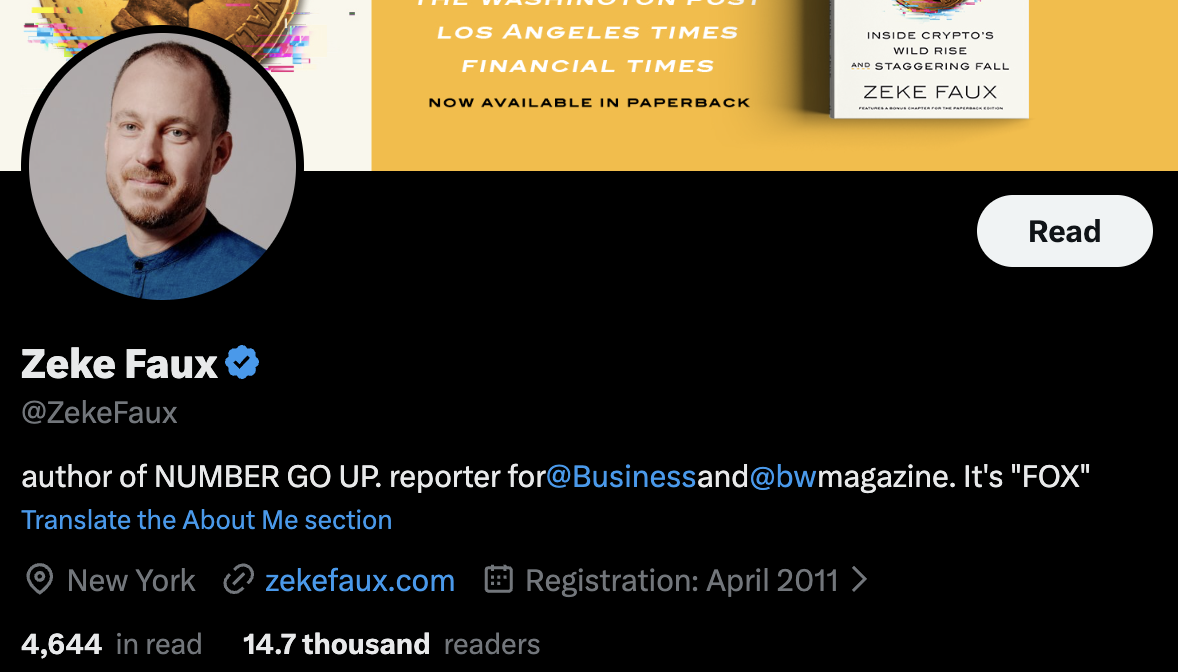
Zeke Faux is an investigative journalist and author who covers crypto, finance, and fraud. He is a reporter for Bloomberg Businessweek and the author of Number Go Up, a book about hype, scams, and power in the digital currency industry. Zeke is known for deep investigations into Ponzi schemes, exchange failures, and misleading digital coins narratives. Founders follow his work to understand what kinds of behavior attract serious investigative scrutiny and reputational damage. On X, he has about 3,700 posts and around 14,700 followers.
Where to follow: Long-form articles, books(NUMBER GO UP), features, X(@ZekeFaux).
Reid McCarter

Reid McCarter is a freelance writer and editor who focuses on investigations, accountability, and critical analysis in digital coins and tech. He is best known for his work on Bullet Points Monthly, where he examines fraud, governance failures, and structural problems in the digital currency industry. Reid’s writing often connects on-chain activity, business decisions, and real-world consequences in a clear, direct way. Reid McCarter is followed by readers who want careful, skeptical reporting rather than hype or promotion. On X, he has about 15,300 posts and around 1,600 followers.
Where to follow: Investigative articles, X(@reidmccarter).
Storytellers, Podcasters & Long-Form Voices
This genre consists of digital coins journalists that emphasize the importance of context, background information, as well as examining different perspectives when reporting on digital currency rather than just reporting breaking news. Through creating their own podcasts and newsletters, these journalists slow the rage down; they take their time to discuss why such issues are important rather than providing brief articles/updates that provide just the basic information about current events, etc.
Guy Swann
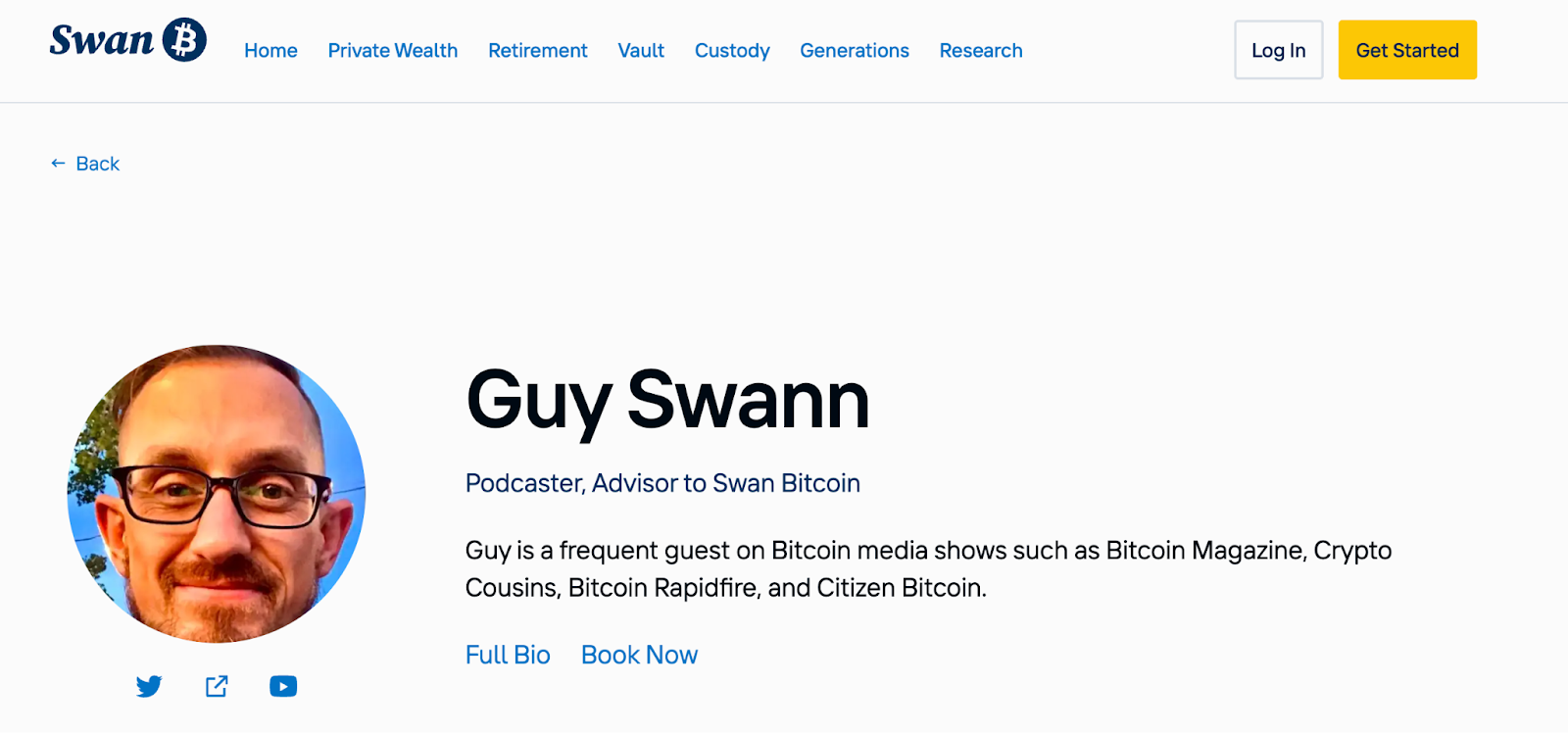
Guy Swann is the host of the Bitcoin Audible podcast and the CEO of One Eleven Productions, and his show was featured in Forbes’ Top Crypto Podcasts (2020). He got deeply into Bitcoin back in 2011 and has stayed focused on it ever since. His background mixes networking/system administration with film and media production, which helps him turn technical topics into clear audio stories. He’s known for doing massive “reading for you” work—sharing and breaking down important Bitcoin writing and ideas in a way people can actually follow.
Where to follow: Podcast platforms, X (@TheCryptoconomy).
Chris Dixon
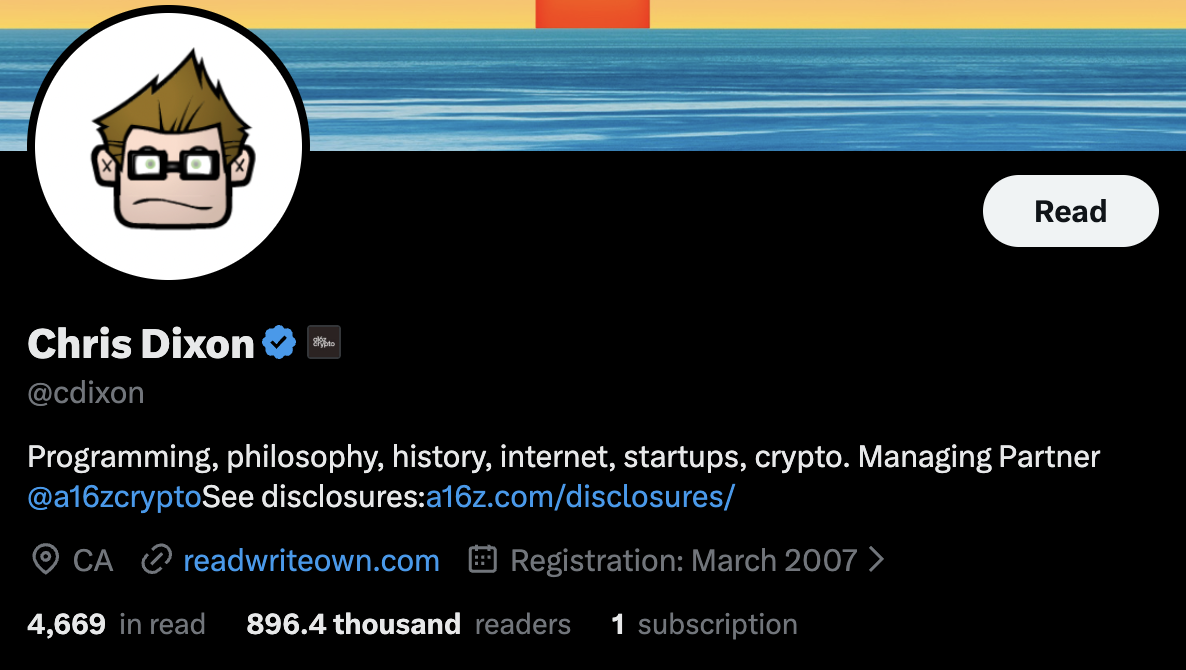
Chris Dixon is a writer, investor, and long-time commentator on digital coins, the internet, and startups. He is a Managing Partner at a16z crypto and is known for shaping long-form narratives about how digital currency and Web3 fit into the future of the internet. Chris writes essays and threads about decentralization, stablecoins, regulation, and consumer crypto adoption, often aimed at policymakers and builders. People follow him to understand big-picture digital coins ideas, not short-term market moves. On X, he has about 916 posts and around 896,000 followers.
Where to follow: Essays, podcasts, X(@cdixon).
Quick Guide: Who to Follow by Interest
How Founders and Marketers Can Work with Crypto Journalists (Without Being Spammy)
Crypto reporters are all the rage right now, so to make yourself stand out you should be informative, direct and also courteous towards them as well. If you treat reporters as if they were actual people with beat (rather than distribution channels) then you can greatly increase your chance of being taken seriously.
- You have to do your research before submitting a pitch by reading what media outlets have written in the past (i.e., policy, DeFi, markets, security, etc.) so you know exactly what they typically write about.
- You should have real news or real insight.
- You need to disclose all of your incentives and conflicts of interest. If your story has any promotional aspect (including through payment) or includes any interest (including through tokens) you should clearly disclose it within your pitch.
- You should respect reporters' timelines and independence. Reporters work on deadlines for confirmations and verification of facts.
FINPR helps digital coins startups create their updates into potentially newsworthy pieces to promote to the media and connect with the appropriate digital currency journalists for their specific subject matter without damaging relationships or creating wasted time with the wrong audience.
Conclusion
In 2026, following the right crypto journalists is one of the best defenses against misinformation and short-term hype. These reporters help you understand not just what happened, but why it matters — for markets, regulation, and long-term adoption. Curate your sources carefully. Build focused lists. And if you want your project to appear in the right conversations and reach the audiences these journalists write for, get in touch with FINPR to discuss a thoughtful PR and communications strategy.

